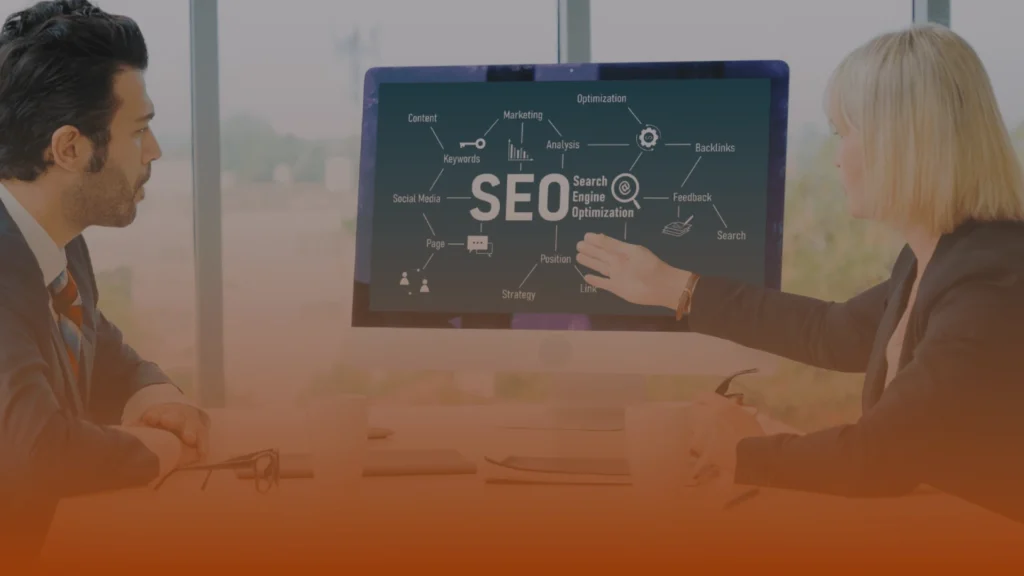
A scalable marketing strategy helps your business grow without overhauling your entire system every time you expand. By knowing your audience, setting clear goals, choosing the right channels, and tracking performance, you can build a marketing engine that scales with you. Whissel Strategies gives you the framework to make it happen.
A scalable marketing strategy helps your business grow without overhauling your entire system every time you expand. By knowing your audience, setting clear goals, choosing the right channels, and tracking performance, you can build a marketing engine that scales with you. Whissel Strategies gives you the framework to make it happen.
Why Scalability Matters in Marketing
Most businesses hit a wall when their marketing approach stops keeping up with their growth. Campaigns that worked for a team of five rarely work the same way for a team of fifty. Scalability means building systems, channels, and processes that can handle more volume, more audience segments, and more complexity without requiring a complete rebuild each time.
A scalable marketing strategy is not just about doing more. It is about doing things more efficiently. According to the Harvard Business Review, businesses that align marketing infrastructure with long-term growth goals consistently outperform those that treat marketing as a reactive function. The difference between growing businesses and stagnating ones often comes down to whether their marketing can stretch without breaking.
Know Your Target Audience First
Every scalable marketing strategy starts with a clear picture of who you are trying to reach. Without that foundation, even the best-executed campaigns will produce inconsistent results.
Invest time in building detailed customer personas that capture your audience’s needs, pain points, preferences, and behavior patterns. Use a combination of market research, website analytics, customer surveys, and social listening to gather real data. Avoid making assumptions based on instinct alone.
The American Marketing Association emphasizes that audience segmentation is one of the most critical factors in campaign performance. When you understand who your customers are and what drives their decisions, you can create messaging that resonates across every channel you use. This clarity also makes it easier to delegate and automate later, both of which are essential for scale. If you want to see how this plays out in practice, the Whissel Strategies case studies show exactly how audience-first thinking has driven measurable revenue growth for real businesses.
Revisit your personas regularly. Audiences shift over time, and your strategy needs to reflect those changes to stay relevant.
Set Goals That Connect to Business Growth
Vague goals produce vague results. For a marketing strategy to be scalable, your goals need to be specific, measurable, and directly tied to business outcomes.
Common marketing goals aligned with growth include:
- Increasing brand awareness within a defined target market
- Driving consistent, qualified traffic to your website
- Generating new leads or converting first-time visitors into customers
- Boosting sales revenue within a specific timeframe
- Reducing customer acquisition costs while maintaining volume
Each goal should have a benchmark, a target, and a timeline. For example, instead of “grow social media,” set a goal like “increase LinkedIn engagement by 30 percent over the next quarter.” This level of specificity gives your team a shared direction and makes performance reviews more actionable.
According to Google’s Think with Google, marketers who set data-driven goals are significantly more likely to exceed their revenue targets. Clear goal-setting is not just a planning exercise. It is a growth driver. Working with a customized marketing strategy from the start ensures your goals are grounded in the data and benchmarks that actually move the needle for your specific business.
Choose Marketing Channels That Can Scale
Not every marketing channel grows with your business at the same pace. Choosing the right mix early saves you from having to rebuild your entire approach as your audience and budget expand.
Social Media Marketing
Platforms like Facebook, Instagram, and LinkedIn offer paid advertising options that scale directly with your budget. Start with organic content to build audience familiarity, then layer in paid campaigns as you grow. The key is to focus on platforms where your audience already spends time rather than spreading too thin across every network.
Email Marketing
With automation and segmentation, email is one of the most cost-effective channels to scale. As your subscriber list grows, you can create targeted sequences that speak to different segments without significantly increasing labor. Email consistently delivers one of the highest returns on investment in digital marketing, making it a core pillar of any growth-focused strategy.
Content Marketing
Evergreen content, such as well-researched blog posts, how-to guides, and educational videos, continues to drive traffic and generate leads long after it is published. A content strategy built on strong SEO fundamentals compounds in value over time. This is one of the most sustainable ways to build organic reach as your business scales.
Search Engine Optimization
Organic search is a long-term investment that pays off significantly at scale. By optimizing your website and content for the keywords your audience is searching, you build a traffic source that does not depend on ongoing ad spend. Pairing SEO with a strong content strategy is one of the most efficient approaches for sustainable growth. A well-structured SEO and hosting foundation ensures your site ranks reliably while staying fast, secure, and technically sound as traffic grows.
The Content Marketing Institute reports that organizations with a documented content strategy are far more effective and efficient in their marketing than those without one. Documentation and systematization are what make channels scalable.
Measure Performance and Optimize Continuously
A scalable marketing strategy is never set and forgotten. It requires ongoing measurement, honest analysis, and a willingness to adjust based on what the data shows.
Key metrics to track include:
- Conversion rates across channels and campaigns
- Return on investment for paid and organic efforts
- Customer acquisition cost compared to lifetime value
- Website traffic and engagement trends over time
- Lead quality and sales pipeline contribution by channel
Use tools like Google Analytics, your CRM platform, and channel-specific dashboards to centralize your reporting. The goal is not to track everything but to track the right things consistently. When you see a channel underperforming, investigate the root cause before reallocating the budget. Sometimes the issue is the channel. Sometimes it is the messaging or the offer.
Optimization is an ongoing loop, not a one-time fix. Businesses that build regular review cycles into their marketing process are better equipped to respond to market changes quickly and keep their growth strategies on track.
Build Systems and Processes That Support Scale
One of the most overlooked components of a scalable marketing strategy is the operational side. As your marketing efforts expand, the processes behind them need to be just as structured as the campaigns themselves.
This means creating repeatable workflows for content creation, approval, and distribution. It means building templates for campaigns so your team is not starting from scratch every time. It also means choosing tools and platforms that integrate well together so data flows smoothly across your stack.
Marketing automation plays a significant role here. By automating repetitive tasks like email sequences, lead nurturing, and social scheduling, your team can focus on higher-value work without adding headcount at every growth stage. Businesses that want strategic oversight without the cost of a full-time hire often benefit from a Fractional CMO and team guidance model, which provides the leadership and systems-thinking needed to scale efficiently.
The Whissel Strategies team helps businesses build these systems from the ground up so that growth does not create operational chaos. Whether you are just starting to formalize your marketing or are looking to streamline an existing setup, having the right infrastructure in place makes scaling far more achievable.
What a Scalable Strategy Looks Like in Practice
It helps to understand what a scalable marketing strategy looks like when it is working well.
Here are a few markers of a well-built system:
- Your campaigns can expand to new audience segments without a full rebuild
- New team members can get up to speed quickly because processes are documented
- Your data is clean, centralized, and accessible for decision-making
- Budget increases lead to proportional results, not diminishing returns
- Your marketing supports sales at every stage of the funnel, not just the top
Reaching this state does not happen overnight. It is built through deliberate planning, consistent execution, and a commitment to learning from your data. Businesses that treat their marketing approach as a long-term asset rather than a short-term expense are the ones that scale most successfully. Reviewing the Whissel Strategies portfolio gives a clear picture of what this looks like across different industries and business sizes.
How Whissel Strategies Supports Your Growth
Whether you are a small business looking to formalize your marketing or an established brand planning to expand into new markets, Whissel Strategies provides the expertise and hands-on support to help you build a strategy that scales.
The Whissel Strategies team offers:
- Market Research: A deep understanding of your target audience, competitive landscape, and market positioning to inform every decision you make.
- Goal Setting: Clear, measurable marketing goals that connect directly to your revenue and growth objectives, with benchmarks that keep your team accountable.
- Channel Selection: Identification of the most effective and scalable marketing channels for your specific business model, audience, and budget.
- Performance Measurement: Ongoing tracking of key metrics with actionable insights that help you refine and improve your strategy over time.
- System Building: The processes, tools, and automation frameworks that make growth operationally sustainable.
Partnering with an experienced team removes the guesswork from scaling. Instead of reacting to problems as they arise, you build a proactive strategy with the infrastructure to support it. Learn more about the team behind these results and what drives the approach.
Ready to Scale? Here Is Where to Start
A scalable marketing strategy is one of the most valuable investments a growing business can make. It gives you a clear path forward, a system for measuring progress, and the flexibility to adapt as your market evolves.
Start by auditing your current marketing efforts. Identify what is working, what is not, and where the gaps are. Then build your strategy around a deep understanding of your audience, a clear set of goals, the right channel mix, and a reliable measurement framework.
If you are ready to move from reactive marketing to a structured, scalable approach, book a free strategy call with the Whissel Strategies team to discuss your goals and get a customized growth plan.
Start Building Your Scalable Marketing Strategy Today
Growth does not wait, and neither should your marketing strategy. Whether you are just starting out or looking to level up an established approach, now is the right time to build a system that can keep pace with your ambitions.
Connect with the Whissel Strategies team to discuss your goals and explore how a scalable marketing strategy can fuel your business growth.
Frequently Asked Questions
1. What is a scalable marketing strategy?
A scalable marketing strategy is a marketing system designed to grow alongside your business without needing to be completely rebuilt at each stage. It is built on repeatable processes, flexible channels, and data-driven decision-making that allows you to expand reach, increase budget, and enter new markets efficiently.
2. How is a scalable strategy different from a standard marketing plan?
A standard marketing plan focuses on a set of tactics for a given period. A scalable strategy goes further by building infrastructure, automation, and systems that allow those tactics to grow in volume and complexity without proportional increases in cost or effort. Scalability is about the long game.
3. How long does it take to build a scalable marketing strategy?
The timeline varies depending on your starting point, industry, and goals. Most businesses can establish a solid foundation within three to six months. However, true scalability is achieved over time as systems are refined, data accumulates, and channels mature. Consistency is more important than speed.
4. What marketing channels are best for scaling a business?
The best channels depend on your audience and business model, but email marketing, content marketing, SEO, and paid social tend to offer the most scalable returns for a broad range of businesses. The key is choosing channels that align with how your audience makes decisions and that can be systematized over time.
5. How do I know if my current marketing strategy is ready to scale?
Signs that your strategy is ready to scale include consistent lead generation, a clear understanding of your customer acquisition costs, documented processes for your campaigns, and a measurement system in place. If any of these are missing, addressing them first will make scaling far smoother.
6. How does Whissel Strategies help with scalable marketing?
Whissel Strategies works with businesses to build marketing strategies that are grounded in audience research, clear goals, channel selection, and performance tracking. The team provides both strategic guidance and hands-on implementation support to help businesses grow their marketing efforts in a structured, measurable way.
7. Can a small business benefit from a scalable marketing strategy?
Absolutely. In fact, building scalable systems early is one of the smartest things a small business can do. Starting with the right infrastructure means you will not have to overhaul everything as you grow. Even a modest budget can be deployed more effectively when the strategy behind it is built for scale.
Key Takeaways
- A scalable marketing strategy is built on audience understanding, clear goals, the right channel mix, and consistent performance measurement.
- Scalability requires operational systems and automation, not just better campaigns.
- Email, content marketing, SEO, and paid social are among the most scalable channels for growing businesses.
- Setting specific, measurable goals tied to business outcomes is essential for tracking progress and making smart decisions.
- Regular optimization cycles keep your strategy aligned with changing market conditions and audience behavior.
- Whissel Strategies provides the research, planning, and implementation support to help businesses build and execute a scalable marketing strategy.
- Starting with the right infrastructure early saves time, money, and effort as your business scales.



Available For New Projects
Ready to Scale? Here Is Where to Start
A scalable marketing strategy is one of the most valuable investments a growing business can make. It gives you a clear path forward, a system for measuring progress, and the flexibility to adapt as your market evolves.
Start by auditing your current marketing efforts. Identify what is working, what is not, and where the gaps are. Then build your strategy around a deep understanding of your audience, a clear set of goals, the right channel mix, and a reliable measurement framework.
If you are ready to move from reactive marketing to a structured, scalable approach, book a free strategy call with the Whissel Strategies team to discuss your goals and get a customized growth plan.