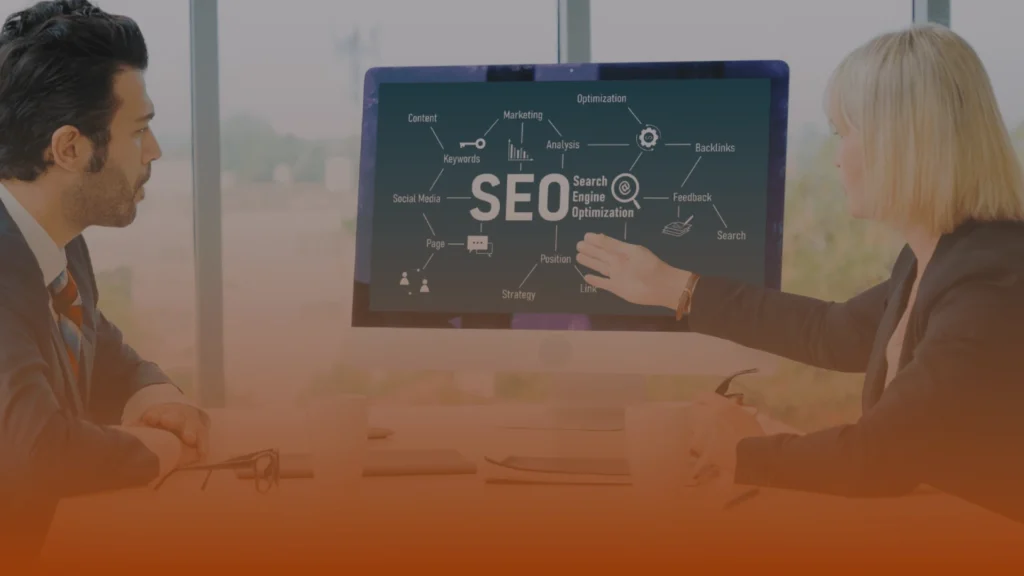
Marketing that is built on real customer data consistently outperforms marketing built on assumptions. This guide breaks down how data-driven marketing works, why it matters for established businesses, and how to implement it in a way that produces measurable revenue growth.
Why Data-Driven Marketing Is Not Optional Anymore
Most businesses collect more data than they use. Website analytics, CRM records, purchase history, email engagement rates, and social media insights all sit in separate tools, rarely connected to actual campaign decisions. That gap is where marketing spend gets wasted.
Data-driven marketing closes that gap by turning raw information into decisions. Rather than guessing what your audience wants to see, you use what they have already told you through their behavior. According to McKinsey & Company, businesses that use data to personalize marketing generate 40% more revenue than those that do not. The case for acting on your data has never been stronger.
What Data-Driven Marketing Actually Means
Data-driven marketing means using information collected from real customer interactions to guide every marketing decision, from which channels to invest in, to what message to run, to when to send a campaign. It replaces gut-feel with evidence.
This is not just about having access to dashboards. It requires a system for collecting the right data, analyzing it for patterns, and applying those patterns to campaign strategy. Our approach to data analytics for growth is built around exactly that process, connecting the data your business already has to the decisions that move revenue.
1. Collect Data That Is Actually Useful
Not all data is worth collecting. The most valuable inputs for a marketing strategy are purchase behavior, customer lifecycle stage, channel attribution, and engagement patterns. These tell you who is buying, why, and through which path they arrived.
Businesses should focus on first-party data, the information collected directly from customer interactions on your website, in your CRM, and through your email platform. Third-party data is declining in reliability. The businesses building a first-party data advantage now will have a significant edge in the next three to five years. Our marketing solutions are designed to help you structure that collection from day one.
2. Analyze for Patterns, Not Just Numbers
Raw data does not tell you what to do. Analysis does. The goal of data analysis in a marketing context is to find patterns that explain customer behavior and predict future actions. Which traffic sources produce the highest-converting visitors? Which email subject lines drive opens from your best segments? Which content pieces correlate with eventual purchase?
Tools like Google Analytics, CRM reporting, and social listening platforms provide the inputs. The Whissel Strategies team translates those inputs into campaign direction. Analysis without action is just reporting. The value is in what you do with the pattern once you find it.
3. Apply Insights to Every Campaign Decision
Once patterns are clear, they need to be applied across channels. That means adjusting ad targeting based on audience behavior, personalizing email sequences based on lifecycle stage, and creating content that maps to the questions your highest-value customers are actually asking.
Our content creation service and full-service marketing programs both operate on this principle. Every campaign decision is traceable back to a data input, not a creative preference or an internal assumption about what the audience wants.
4. Automate What You Can Measure
Automation is only valuable when it is applied to a process that already works. Automating a broken email sequence at scale just produces more of the wrong result faster. The correct order is: collect data, find what converts, then automate that conversion path.
AI-driven tools and marketing automation platforms allow businesses to act on data in real time, triggering campaigns based on specific behaviors rather than scheduled blasts. This is where the productivity gains in data-driven marketing compound over time. For businesses that want senior-level guidance on building these systems, our fractional CMO service provides that direction without the cost of a full-time hire.
5. Monitor, Test, and Refine Continuously
A data-driven approach never treats a campaign as finished. Every send, every ad flight, and every landing page test produces new information. That information feeds back into the next decision. A/B testing, cohort analysis, and attribution modeling are not one-time exercises. They are ongoing practices.
Businesses that build this review cycle into their operations consistently outperform those that treat campaigns as one-and-done projects. The scalable marketing strategies that produce compounding results are always built on this feedback loop.
How Data-Driven Marketing Drives Long-Term Business Growth
The businesses that benefit most from data-driven marketing are not necessarily the ones with the most data. They are the ones with the clearest system for turning data into decisions. That system is what separates businesses that grow predictably from those that rely on guesswork and hope.
If your marketing team is working hard but producing inconsistent results, the problem is almost always in the measurement layer, not the creative. Book a strategy call with Whissel Strategies to find out where the gaps are and how to close them.
Frequently Asked Questions
What is data-driven marketing and how does it differ from traditional marketing?
Data-driven marketing uses real customer data, including behavioral patterns, demographics, and purchase history, to guide campaign decisions. Traditional marketing often relies on broad assumptions or creative intuition. The key difference is that data-driven campaigns are measurable, adjustable, and tied to specific outcomes.
What data should a small business start collecting first?
The highest-priority data sources for most small businesses are website behavior through Google Analytics, email engagement rates, customer purchase patterns through a CRM, and ad attribution data. Start with the data you already have before investing in new tools.
How does data-driven marketing improve return on investment?
By directing spend toward the channels, messages, and audiences that have already demonstrated conversion performance, data-driven marketing reduces waste. Every campaign dollar is allocated based on evidence rather than assumption, which improves efficiency over time.
How long does it take to see results from a data-driven marketing strategy?
Most businesses begin to see meaningful patterns within 60 to 90 days of consistent data collection and analysis. Revenue impact typically follows within three to six months as campaigns are refined based on actual performance data.
Can a small business implement data-driven marketing without a large team?
Yes. The tools available today make data collection and analysis accessible at any budget. The more important factor is having a clear system for interpreting data and acting on it. A fractional CMO or a full-service marketing partner can provide that system without requiring a full internal team.
What is the biggest mistake businesses make with data-driven marketing?
Collecting data but not acting on it. Many businesses have access to useful insights inside their existing tools but never build a process for connecting those insights to campaign decisions. The data is not the problem. The missing link is a structured review and decision cycle.
Ready to Make Your Marketing Work Harder for You?
Whissel Strategies helps established businesses build marketing systems that are powered by data, designed for growth, and guaranteed to produce results within 90 days or you pay nothing.
Book a strategy call today and find out exactly where your current marketing is leaving revenue on the table.
Key Takeaways
- Data-driven marketing replaces guesswork with evidence, connecting campaign decisions directly to real customer behavior.
- First-party data, collected from your own website, CRM, and email platform, is the most reliable and valuable input for campaign strategy.
- Analysis is only useful when it is applied. The goal is to translate patterns into campaign decisions, not just dashboards.
- Automation adds leverage to a process that already converts. Never automate a broken system at scale.
- Continuous testing and refinement is the differentiator between businesses that grow predictably and those that produce inconsistent results.
- The businesses that benefit most from data-driven marketing have a system for acting on data, not just access to it.